The Art of Presentation: How to Make a Cheap Gift Look Incredibly High End and Luxurious
Ever found yourself in the predicament of needing to buy a thoughtful gift but realizing your budget is tighter than a pair of jeans after Thanksgiving dinner? Don't despair! Giving a meaningful present doesn't require a platinum credit card or a trip to Milan. The secret sauce—the magic that transforms something humble into a treasure—is often found in the details, the presentation, and the narrative you build around the item. It’s less about the cost of the gift itself and more about the experience of receiving it. If you've ever wondered how to make a cheap gift look incredibly high end and luxurious, this comprehensive guide is for you. We are going to demystify the art of gifting, turning budget limitations into creative opportunities that leave your recipient feeling utterly spoiled (and not realizing how little you spent).
Understanding Luxury: It's Not Always About Price Tags
Before we dive into specific tricks, we need to recalibrate our understanding of "luxury." True luxury isn't measured by carat weight or thread count; it is measured by thoughtfulness, curation, and the effort put into the presentation. When you elevate a gift, you are making the recipient feel seen—you are communicating that you cared enough to spend time thinking about their aesthetic and joy. This shift in perspective is key. Are we trying to hide the cheapness of the item, or are we elevating the perception of its value? The latter is always the winning strategy.
Curating the Narrative Around the Gift
The story you tell makes the gift shine brighter than any polish ever could. Why did you choose this specific, inexpensive item? What memory does it evoke? Give your recipient a reason to love it that has nothing to do with its material composition.
- Relate it: Connect the gift to an inside joke or a shared experience.
- Research it: If possible, know the origin or craftsmanship of the item (even if you just bought it from a bulk shop). This knowledge adds weight and gravitas.
- Personalize it: Handwriting a note that expands on why this gift matters is priceless—far more valuable than solid gold.
The Physical Transformation: Elevating Presentation Techniques
The packaging itself can be the single most powerful tool in your arsenal. Think of wrapping not as an afterthought, but as the opening act of the gift experience. This section will focus on physical, actionable steps to make even a simple object feel like it came straight from a high-end boutique display.

Mastering the Art of Wrapping and Packaging
Forget the flimsy tissue paper that screams "dollar store." High-end packaging speaks volumes before the recipient even sees the item. The goal is texture, depth, and unexpected elements.
- Layering: Use multiple layers of contrasting materials—matte ribbon over glossy paper, rough twine against smooth cardstock. This tactile contrast instantly suggests complexity and expense.
- The Pop: Incorporate a small, luxurious "pop" element that costs almost nothing but looks expensive. Think dried floral sprigs tucked into the bow, or a single, elegant wax seal applied to the wrapping paper.
- Customization through Stationery: Instead of generic tags, use heavyweight cardstock and write your own tag in beautiful calligraphy (or a convincing printout). This small detail shows immense effort.
Strategic Use of Complementary Items
The trick here is grouping items that don't belong together but evoke the same feeling or theme. If you are giving a simple candle, don't just hand it over. Elevate the entire presentation:
- The Trio Rule: Pair your main item with two small, complimentary elements. For instance, if the gift is a cheap scented soap, pair it with a matchbox of artisanal matches (the kind in a wooden holder) and a sprig of rosemary. The three elements make the package feel curated, not compiled.
- Texture Play: Always ensure there is at least one element that offers a different texture—something rough to contrast the smooth paper, or something soft like velvet ribbon.
Aesthetic Details: Adding the Finishing Touches
Sometimes, the magic isn't in what you add, but how perfectly you manage the things you already have. These final details are the difference between "nice gift" and "luxury experience."
The Power of Typography and Font Choice
When creating cards or labels, never default to Times New Roman or Arial. High-end brands invest heavily in bespoke typography. By selecting a refined font (a classic script for romance, or a minimalist sans-serif for modern elegance), you instantly lend sophistication to the entire package. It's like dressing up the packaging—the fonts are its little black dress.
Temperature and Sensory Immersion
True luxury appeals to all five senses. How can we engage them with a budget? Consider adding elements that smell wonderful, sound pleasant, or feel good to touch.
- The Smell: Tuck in a tiny sachet of potpourri or use a hint of cedar wood scent near the gift.
- The Sound: If appropriate for the recipient (and not too dramatic), including a small, beautifully printed playlist QR code can add an auditory layer to the experience.
I once received a cheap bottle of artisanal mustard paired with a custom-designed napkin and a vintage photograph that explained the history of the condiment. Click here! It was such a clever narrative leap; I realized immediately that how to make a cheap gift look incredibly high end and luxurious is really about selling the story, not the substance.
Making Your Selection Count: Thinking Beyond the Tangible
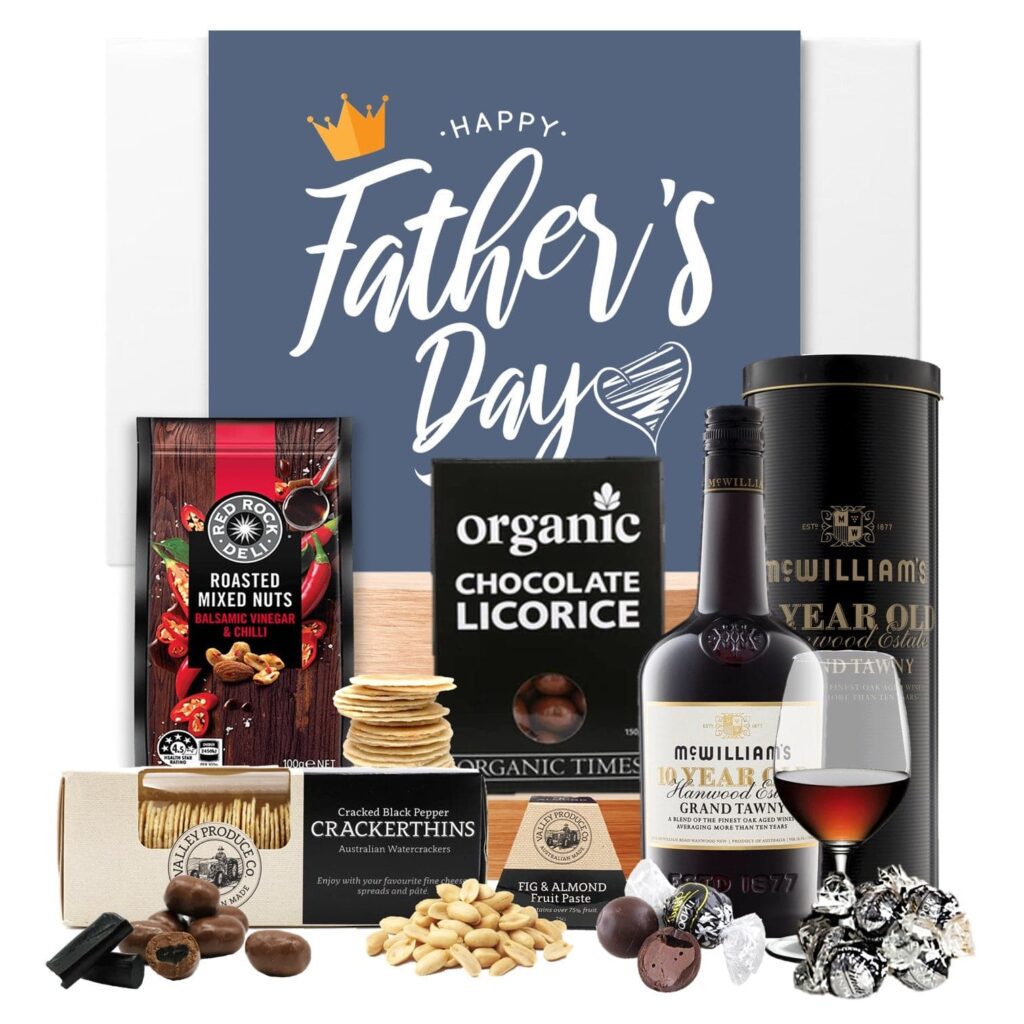
Ultimately, giving a seemingly inexpensive item with meticulous care attached transforms it from a mere commodity into a cherished memory marker. Remember this guiding principle: The effort must always outweigh the cost. If you pour your heart and soul into making the presentation perfect—the wrapping, Wine Gifts the note, the accompanying small details—your recipient will perceive that emotional investment as immense value.
As one master curator once said, "Perception is reality." In gifting, this means controlling the perception of worth through careful aesthetic choices. Are we not all masters of illusion when it comes to dinner parties? We make simple ingredients taste like gourmet fare! Why should gifts be any different?
The best gift-givers are often those who realize that thoughtfulness is a currency far more valuable than gold. Keep these principles—the narrative, the texture play, and the meticulous detail—in mind, and you will find yourself effortlessly succeeding at making even the simplest items shine like masterpieces. Which forgotten craft or simple stationery item could be the next element to elevate your gifting game? The perfect gift awaits when you remember that every object has a potential story waiting to be told.